
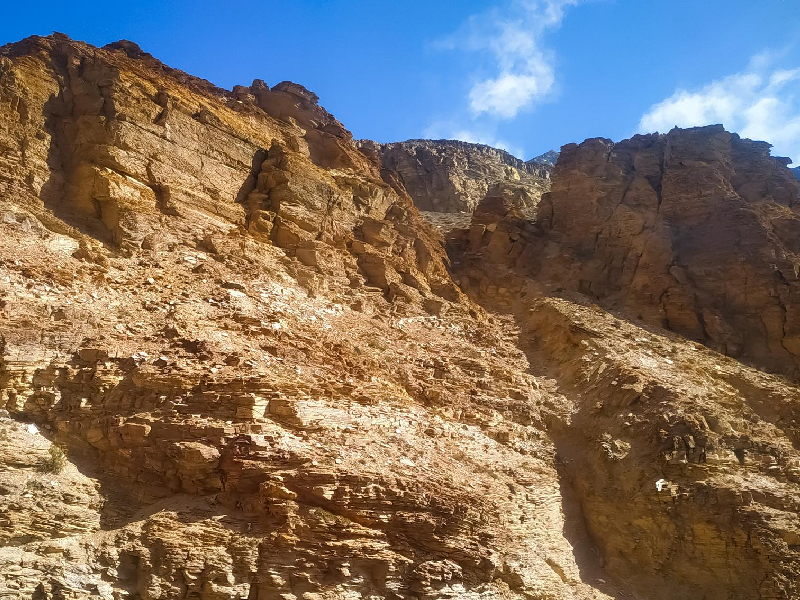
The Lithosphere
Contains all the cold, hard solid land of the planet's crust (surface), the semi-solid land underneath the crust, and the liquid land near the centre of the planet. The surface of the lithosphere is very uneven. There are high mountain ranges like the Rockies and Andes, huge plains or flat areas like those in Texas, Iowa, and Brazil, and deep valleys along the ocean floor.
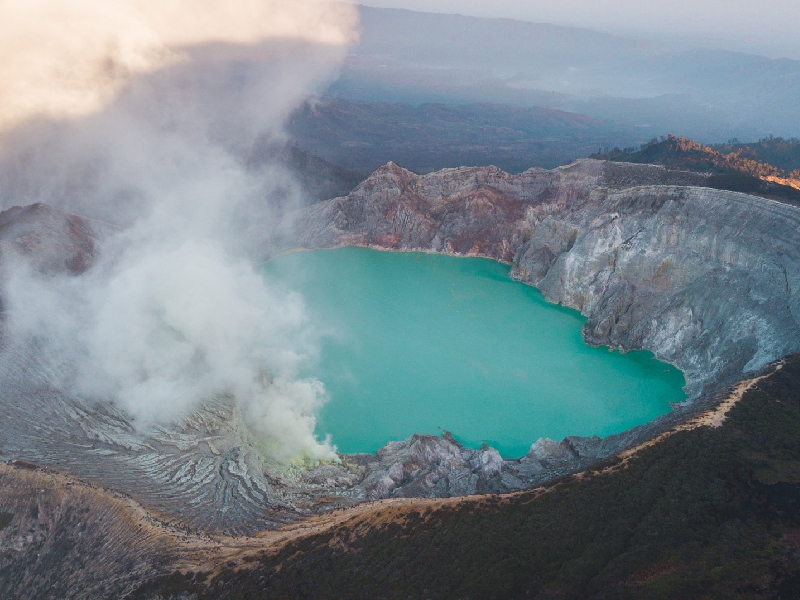
The Hydrosphere
Contains all the solid, liquid, and gaseous water of the planet. It ranges from 10 to 20 kilometres in thickness. The hydrosphere extends from Earth's surface downward several kilometres into the lithosphere and upward about 12 kilometres into the atmosphere. A small portion of the water in the hydrosphere is fresh (non-salty). This water flows as precipitation from the atmosphere down to the Earth's surface, as rivers and streams along the Earth's surface, and as groundwater beneath the Earth's surface. Most of Earth's freshwater, however, is frozen.
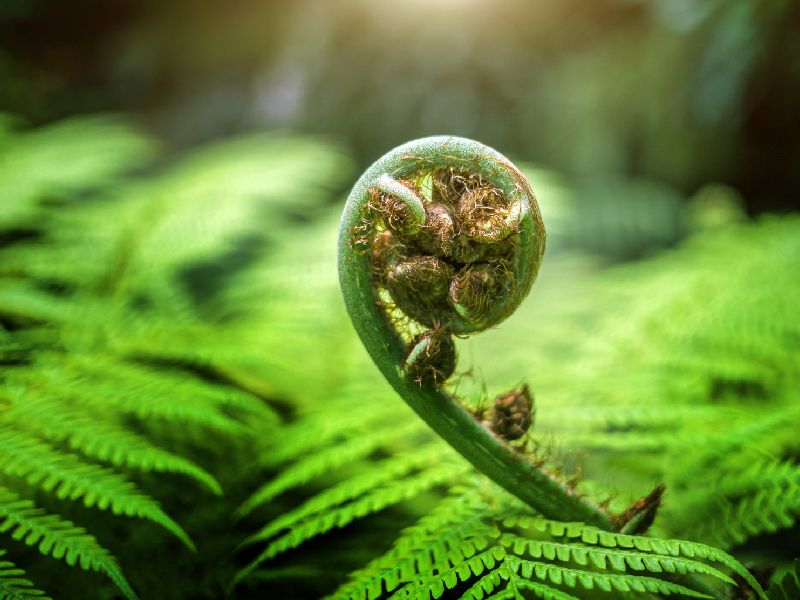
The Biosphere
Contains all the planet's living things. This sphere includes all the microorganisms, plants, and animals of Earth. Within the biosphere, living things form ecological communities based on the physical surroundings of an area. These communities are referred to as biomes. Deserts, grasslands, and tropical rain forests are three of the many types of biomes that exist within the biosphere.
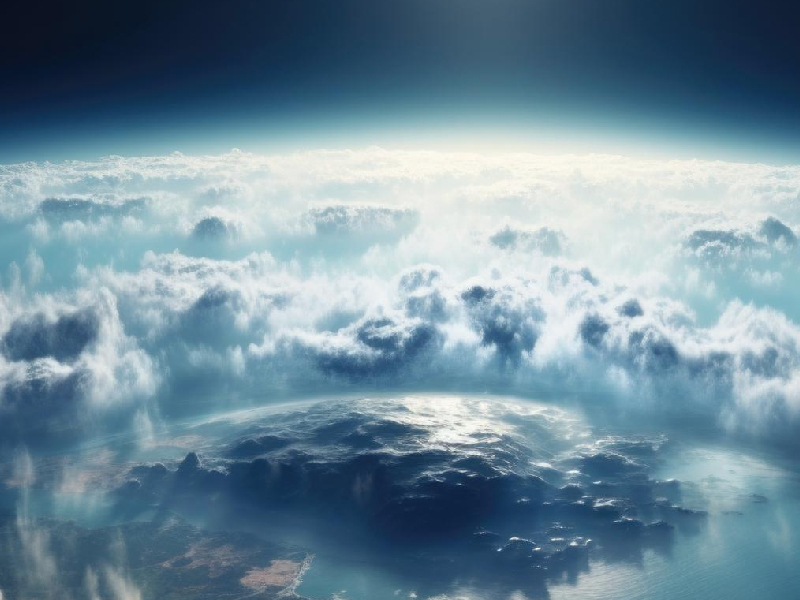
The Atmosphere
Contains all the air in Earth's system. It extends from less than I'm below the planet's surface to more than 10,000 km above the planet's surface. The upper portion of the atmosphere protects the organisms of the biosphere from the sun's ultraviolet radiation. It also absorbs and emits heat. When air temperature in the lower portion of this sphere changes, weather occurs. As the air in the lower atmosphere is heated or cooled, it moves around the planet. The result can be as simple as a breeze or as complex as a tornado.